Event marketing vs. brand activation vs. experiential marketing
Brand marketers use three terms almost interchangeably: event marketing, brand activation and experiential marketing. Agencies do it too, which makes briefs harder to write and proposals harder to compare. The terms overlap, but they describe different jobs, and the one you need depends on what you are trying to change: what people know, what they try, or how they feel about your brand over time.
Here is how we define each at AGENC, when each one fits, and what they look like on real projects. Whether you are looking for an event marketing agency, a brand activation agency or an experiential marketing agency, the useful question is the same: which job does this brief actually describe?
Event marketing: the event is the product
Event marketing is a scheduled gathering with a program, a defined audience and a date on the calendar. Conferences, summits, upfronts, premieres and award shows all fit here. Guests register or are invited, and they come for what happens on stage or in the room. The brand’s goal is usually authority, relationships or revenue from the event itself through tickets and sponsorship.
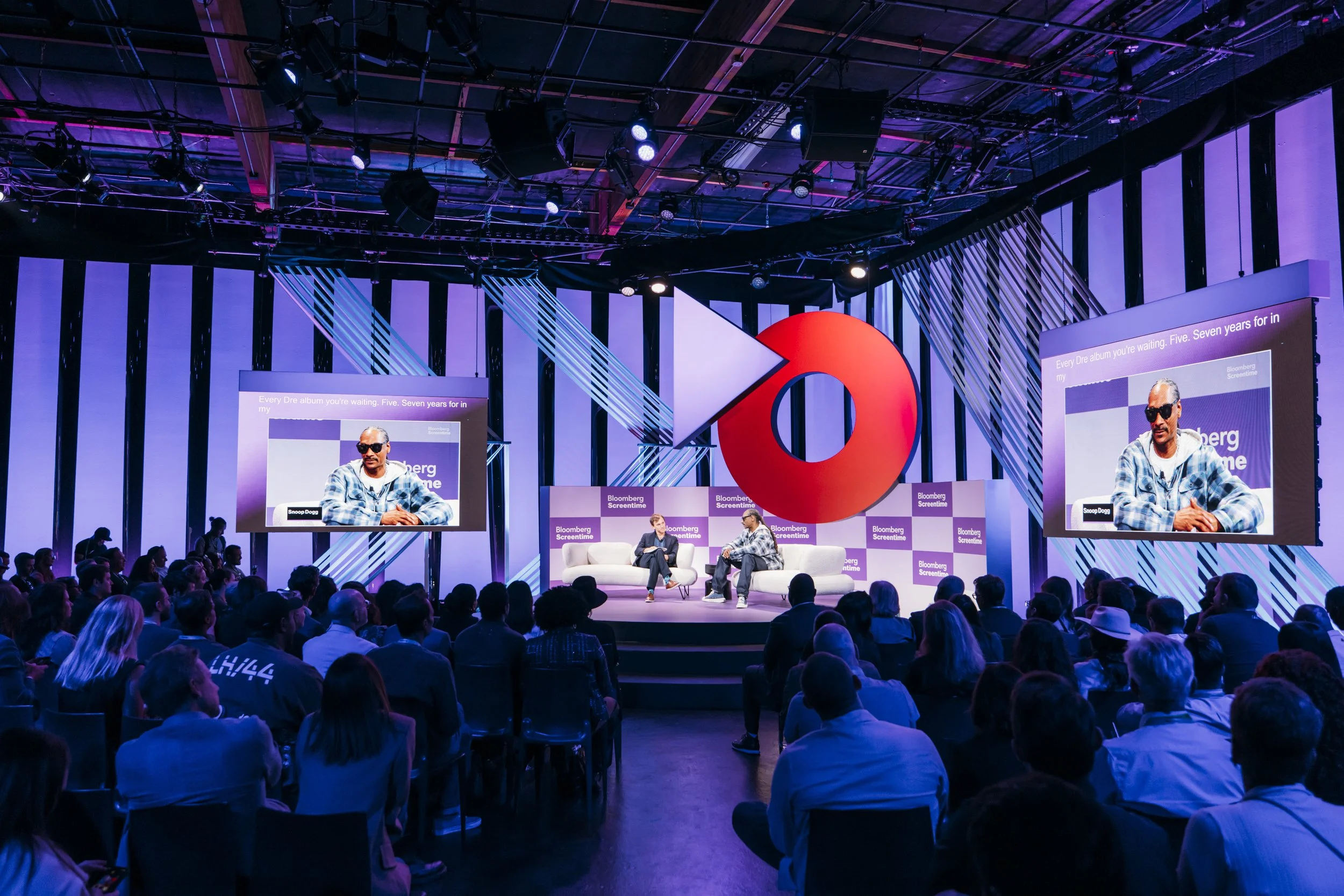
Bloomberg Screentime is a clear example. We built it from the ground up with Bloomberg Live as a sponsorship-driven conference, which we call a built-to-sell model. In its second year it drew more than 1,500 attendees across two days and three stages, with more than 25 speakers including Snoop Dogg, Kerry Washington and Jason Blum. Sponsors were integrated into the programming itself, including sessions on AI in creativity and the future of entertainment. The details are in the Bloomberg Screentime case study.
The New York Times NewFronts 2025 is another. It was the Times’ first live NewFronts show since 2019, and the job was to show advertisers and media buyers the full portfolio, from News and Games to Cooking, Wirecutter and The Athletic, through stage design and interactive touchpoints. The audience was narrow and high-value, and the event had to match the brand’s standing.
The data supports the format, especially in B2B. In figures from Bizzabo’s 2026 State of Events benchmark, 78% of respondents called in-person conferences their most impactful marketing channel. And Freeman’s May 2026 trends report, based on nearly 20,000 responses from non-attendees, found that 60% would be more likely to attend if an event offered education only available in person. Programming is the draw.
Our event marketing agency page covers how we approach summits, premieres and award shows.
Brand activation: putting the product in people’s hands
A brand activation is a focused, often short-run tactic that gets people to interact with a product: sampling, trial, a branded vehicle, a pop-up at someone else’s event. It usually piggybacks on existing crowds, such as a festival, a shopping district or an awards weekend, rather than building an audience from scratch. The goal is usually trial, awareness or sales, measured in samples, visits and lift.
Some examples from our work:
- Kosas DreamBeam at Coachella 2025. Four custom pink Broncos gave rides and handed out sunscreen, distributing more than 6,000 samples and generating $3.5M+ in earned media value during Weekend 1.
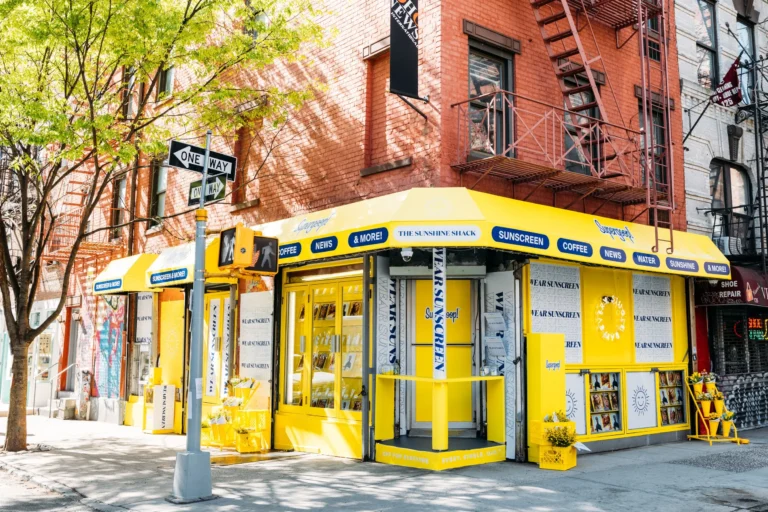
- Supergoop! Sunshine Shack. A SoHo newsstand takeover on Prince Street that became a traveling pop-up across 10 festival stops, with 40,000 samples distributed.
- Olaplex at The Grove. A two-day pop-up during Oscars weekend with express hairstyling, red-carpet photos and gift bags, launching a jumbo bonding oil and a travel-size dry shampoo.
- ONYX Deli Boys. Two branded food trucks in Los Angeles, run with Yeastie Boys Bagels, served free chopped cheeses to introduce a new series, logging 1,800 orders.
Activations are good at reaching people who were not looking for you. In the EventTrack 2026 study from Event Marketer and Sparks, 34% of attendees said their most recent brand interaction at an event was with a brand they did not already know or use, and 61% said an event made them more inclined to purchase.
Our brand activation agency page goes deeper on sampling programs, mobile tours and pop-ups.
Experiential marketing: the strategy that holds them together
Experiential marketing is the broader discipline. It treats in-person experience as the center of a campaign, then builds social, digital, PR, content and paid media around it. An experiential program can contain events and activations, but it is defined by the strategy that connects them and by what happens to the experience after the doors close.
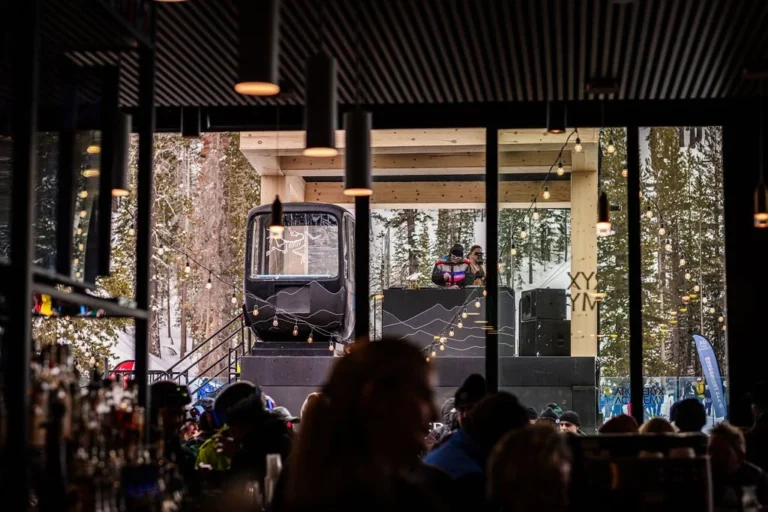
Paramount at Super Bowl LVIII shows the difference. The campaign began 100 days out across social, digital, TV and out-of-home, and it ended in a takeover of Las Vegas built around Paramount Peak: 36,000 square feet, 13 IP activations, five 4DX gondolas and more than 2,000 guests a day, plus two VIP events. Any single piece could be called an event or an activation. The campaign as a whole was experiential marketing, because each piece fed the others and the goal was to make Paramount the most talked-about brand in entertainment that week. It earned a Chief Marketer Campaign of the Year honorable mention.
Prime Video’s The Rings of Power premieres worked the same way: four premieres in London, Los Angeles, Mexico City and Mumbai within 15 days, each with a custom build, coverage from 813 media outlets, and an Adweek award for Best Use of Experiential Activation to Launch a Brand/Product.
When to use each
Choose event marketing when
- Your audience is defined and reachable by invitation or registration: clients, buyers, press, an industry.
- The value is in the content, the people in the room or the relationships that form there.
- You want a repeatable property that can grow year over year, as Screentime did, and potentially pay for itself through sponsorship.
- Your timeline allows for speaker booking, a run of show and rehearsal.
Choose a brand activation when
- The product benefits from being touched, tasted, smelled or tried.
- A large crowd already exists, such as a festival, an awards weekend or a busy retail district, and you can go to it.
- You need measurable trial or sales over days or weeks, not months.
- Budget is better spent on reach and repetition (more stops, more samples) than on one large build.
Choose an experiential marketing program when
- You are launching something big enough to need several touchpoints in sequence.
- The in-person moment needs a pre-launch build-up and a long tail of content.
- Several brands, products or markets have to read as one story.
- Earned media and social conversation are the primary measures of success.
How the line blurs in practice
Most real briefs mix the three. The Drunk Elephant C-Luma launch was a tour of pop-ups in Los Angeles, Miami and New York, two days in each city, with more than 2,000 daily visitors. Each stop was an activation, with consultations, samples and merchandise. The tour as a whole was built to drive social buzz and sales across three markets, which is experiential thinking.
The J.Crew 40th anniversary at the Seaport ran over several days and venues at Pier 17, with exclusive moments for talent, press and VIPs before a consumer reveal and a rooftop performance by The Strokes. The VIP night was event marketing. The consumer days were an activation. The archive-driven content capture and press coverage made it a campaign.
That is why labels matter less than scope. When you write a brief, describe the audience, the outcome and the measurement, and let the agency tell you which format fits.
What to put in the brief
Whichever term you use, these details will get you comparable proposals:
- The outcome. Awareness, trial, sales, press, pipeline or loyalty. Pick one primary goal.
- The audience. Who has to be there, and who has to see it afterward.
- Markets and dates. Including any tentpole you want to attach to, such as a festival, fashion week or a major game.
- Budget range. A range lets an agency tell you honestly whether you are looking at one large build or a tour of smaller ones.
- Measurement. The three to five numbers you will report upward, so the plan is built to capture them.
- Constraints. Brand guidelines, legal review, talent availability, product quantities for sampling.
With those answers, the debate over what to call the project mostly settles itself.