Multi-city pop-up tours: one idea, many markets
A multi-city tour has to do two things at once. It has to feel like one brand, with one idea, in every market. And it has to feel like it belongs in each city it visits, rather than a copy that arrived on a truck. Our short version of how we do it: we build one creative system, then adapt venues, vendors, staffing, audience behavior and logistics for each market.
This post covers the team structure behind that approach and six tours we have run as an experiential marketing agency, from three-city beauty launches to four premieres in four countries in 15 days.
The team structure
Cara Kleinhaut laid out our execution framework for global events campaigns on this journal. The short version:
- A creative hub and core team at agency HQ. Experiential strategy, creative and production, including technical show production, logistics, fabrication and execution. This team writes the creative blueprint that shows up consistently in every city.
- One main point of contact for the client. One account lead owns the overall scope, sends a weekly update summarizing each city, and runs a weekly all-team meeting, with breakout city meetings and site scouts with local vendors as needed.
- A lead producer and creative director in each city or country. They handle cultural and local adaptation, local vendors and staffing, and local laws and customs.
- One budget and one creative standards playbook. Every city’s budget ladders up to a single project budget managed by the core team. That keeps the visual identity, storytelling, staffing standards and guest experience quality consistent.
- One accountable agency. The agency owns the full scope of delivery, including the problems nobody predicted.
The structure scales down as well as up. A three-city domestic tour can run on the same roles with fewer people. Here is how it has played out across different kinds of tours.
Same format, three cities: Drunk Elephant C-Luma
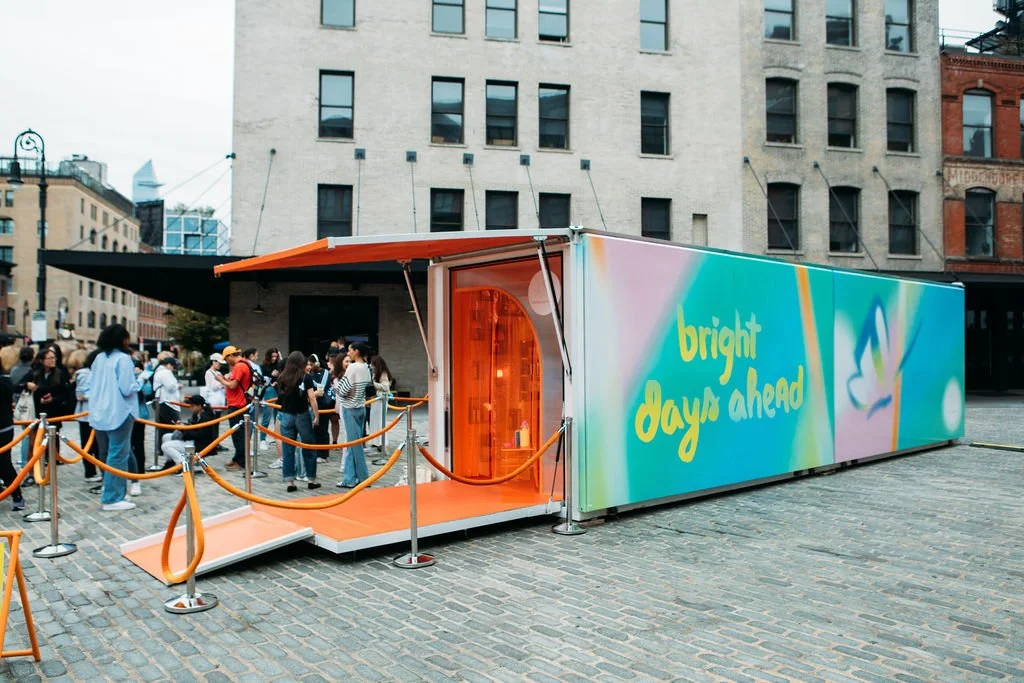
To launch the C-Luma Hydrabright Serum, Drunk Elephant toured a pop-up through Los Angeles, Miami and New York City in September 2024, two days in each city. The design used acrylic and LED elements and a wishing well, and guests received personalized skincare consultations, product samples and exclusive merchandise. Each stop drew more than 2,000 visitors a day, surpassed its KPIs, and sent foot traffic to nearby Sephora stores.
A repeat format works when the experience itself is the product demo. The consultation is the same in every city, so the build can be the same too, and the crew repeats a set-up it already knows. Local work goes into venue choice and its relationship to retail. We produced all three stops, in Los Angeles, Miami and New York. See the Drunk Elephant case study.
A build that travels: Supergoop! Sunshine Shack
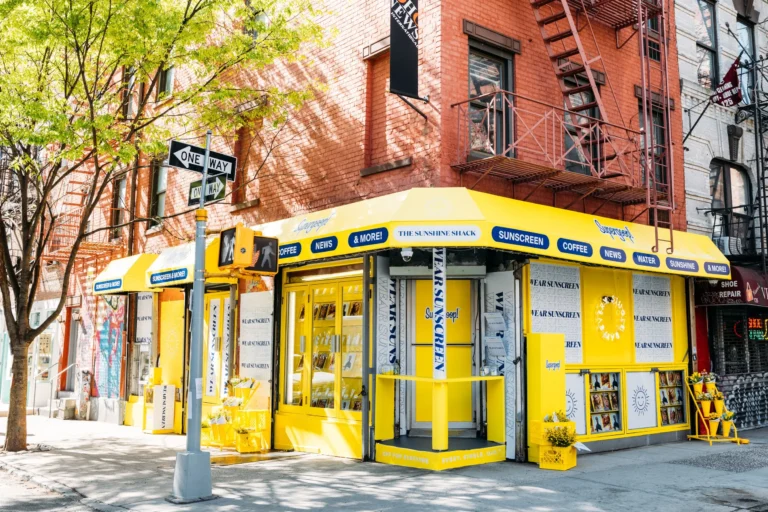
Supergoop!’s “Every. Single. Day.” campaign started with a takeover of the SoHo News Stand on Prince Street, then traveled as the Sunshine Shack to 10 festival stops across the country, from Aspen to Coachella. The tour distributed 40,000 product samples and earned 8+ press features.
The newsstand concept was designed around sustainability and versatility, which is what let one idea travel from a SoHo street corner to festival grounds. When a tour runs through festivals, the load-in windows, power and footprint are set by each festival’s rules, so the design has to be modular from the start. More on the Supergoop! case study.
Different formats, one show: Deli Boys
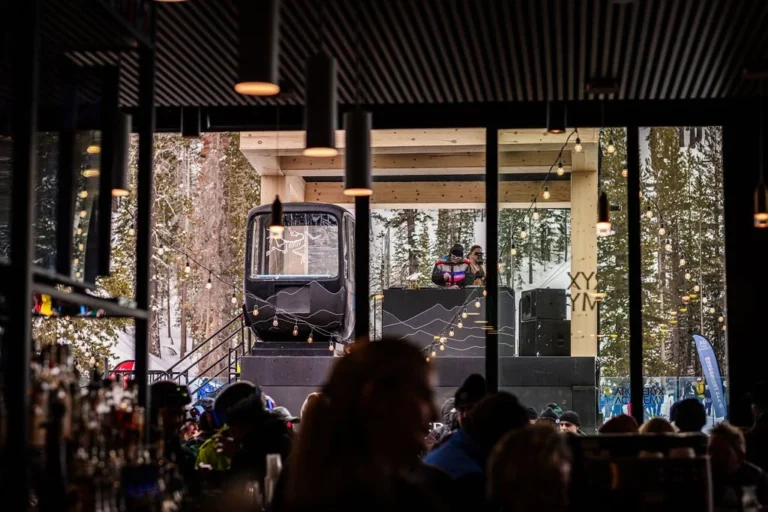
To launch ONYX’s original series Deli Boys, the campaign combined two formats. In Los Angeles, we teamed up with Yeastie Boys Bagels to put two fully branded food trucks on the road, serving free chopped cheeses. Yeastie Boys logged 1,800 orders. We followed with a six-city comedy tour with Don’t Tell Comedy, bringing surprise performances to cities including LA, New York, Atlanta, Oakland and Austin. The campaign earned more than 200,000 social impressions.
Not every city needs the same activation. The food trucks anchored the launch in LA. The comedy tour carried the idea to other markets through a partner that already had audiences of its own. That is a useful model for new IP: anchor in one city, then tour a lighter format. Our Atlanta page covers our work there.
Education on tour: innisfree K-Beauty Brighter Skin Tour
innisfree USA’s K-Beauty Brighter Skin Tour ran from Houston to Miami to New York in 2025, pairing a sold-out masterclass series with a pop-up coffee cart outside Sephora. The masterclasses gave the tour substance. The coffee cart put the brand in front of shoppers at the point of purchase.
Education is a strong reason to show up in person. Freeman’s 2026 research on non-attendees found that 60% would be more likely to attend an event offering education only available in person. A tour built around teaching travels well because the content is the same everywhere, while the audience in each city is new. See our Houston page.
Immersive rooms on the road: DIRECTV Blue Room
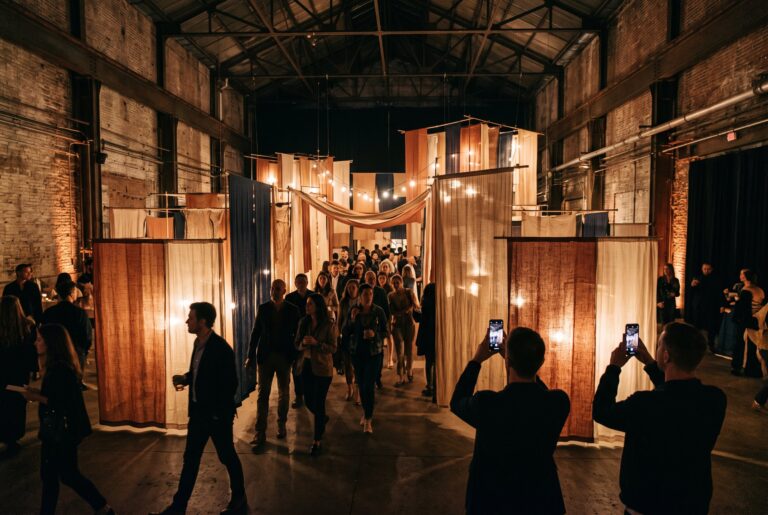
In early 2026, DIRECTV’s Blue Room turned its Genre Packs into immersive scene rooms and toured them from Chicago to Scottsdale to The Grove in Los Angeles. Each room stood for a genre, which gave the tour a clear structure that guests understood right away.
Touring a room-based experience means planning for different venue types in each market. Local rules matter too. In Chicago, for example, the city’s special events office states that marketing activations are not permitted on the public right of way and must be on private land. That shapes venue choice before any creative is final. Our Chicago page has more.
Four countries in 15 days: The Rings of Power
For Prime Video’s The Rings of Power, we produced four large-scale premieres in four countries in 15 days in 2022: Los Angeles on August 15, Mexico City on August 17, Mumbai on August 19 and London on August 30. Each city showcased a different part of Middle-earth. London’s Leicester Square became a lush Elven forest that media called a “fairy tale red carpet.” In Mexico City, the premiere took place at the Colegio de las Vizcaínas.
This is the kind of project the framework was written for: one creative blueprint, four sets of local vendors, crews, customs and laws, and a schedule with no slack. The campaign drew coverage from 813 media outlets and won Adweek’s Best Use of Experiential Activation to Launch a Brand/Product, plus BizBash’s Best Press Event and Best TV or Film Premiere Event. See the Rings of Power case study.
What we have learned
- Write the playbook before the first city. Visual identity, guest journey, staffing standards and quality checks should be on paper before anything is built, so every stop is measured against the same standard.
- Decide what is fixed and what flexes. The core experience stays fixed. Venue, local partners, talent and some programming flex by city.
- Design the build to travel. Modular construction, shipping cases and a set-up sequence the crew can repeat save time and money on every stop.
- Check permits city by city. Rules differ a lot. New York’s street event permits are priced by size and require lead time, and Chicago does not allow marketing activations on public sidewalks and streets.
- Report weekly, in one place. One update covering every city keeps the client from having to chase separate teams.
- Use the first stop to learn. Watch guest flow and dwell time on day one and adjust the next city’s plan.
- Run the money centrally. On international tours, all budgeting and payments come from the core team. That makes it possible to buy local currency at favorable rates and to account for labor codes, insurance and local law in each country before the contracts are signed.
Whether the tour is three cities or four countries, the structure is the same. If you are planning a campaign across markets, our event marketing agency page explains how we work, or you can contact us to start.